What is Canoeing? A Comprehensive Guide to the Paddlesport
Explore the world of canoeing! Discover what canoeing is, its history, equipment, and how it became an Olympic sport. Learn about the differences between canoeing and kayaking

Mục lục
What is canoeing? A comprehensive overview
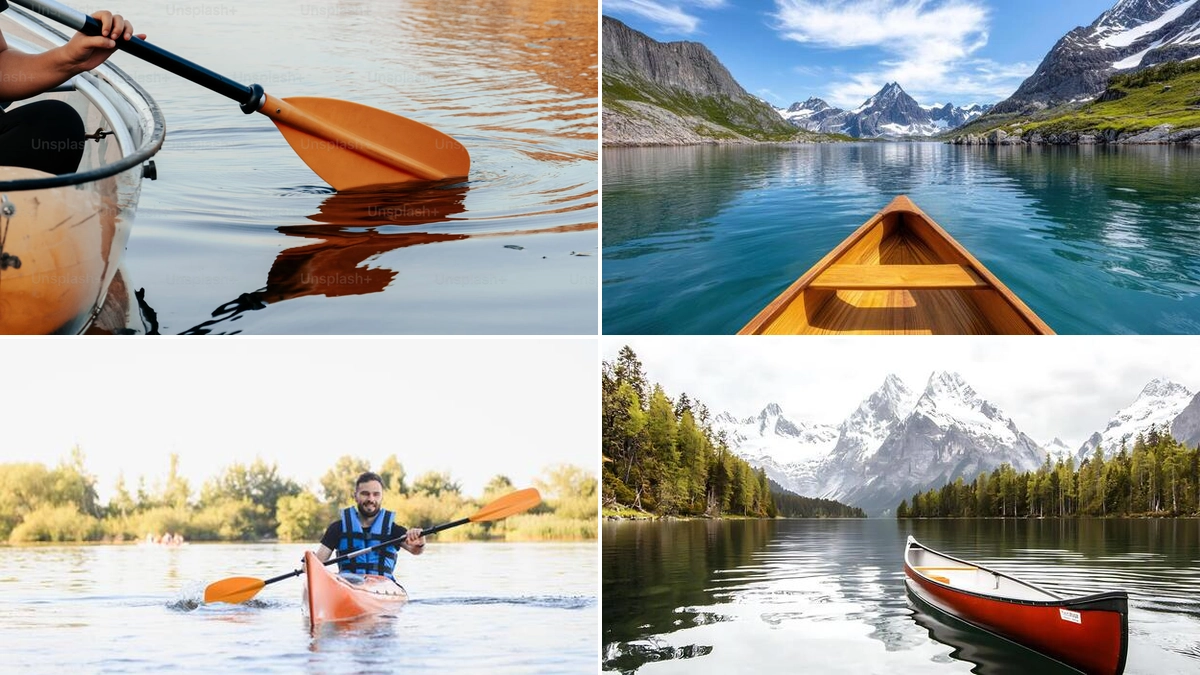
Canoeing is a dynamic water-based activity enjoyed by millions worldwide. At its core, what is canoeing? It is the sport or recreational activity of travelling in a canoe, propelled by a single-bladed paddle. While often associated with serene lakes and gentle rivers, canoeing can also be an exhilarating adventure on white water. A canoe, the vessel used in this sport, is typically an open-topped boat, distinguishing it from a kayak which usually has a closed deck.
The Mechanics of Canoeing: Paddling and Steering
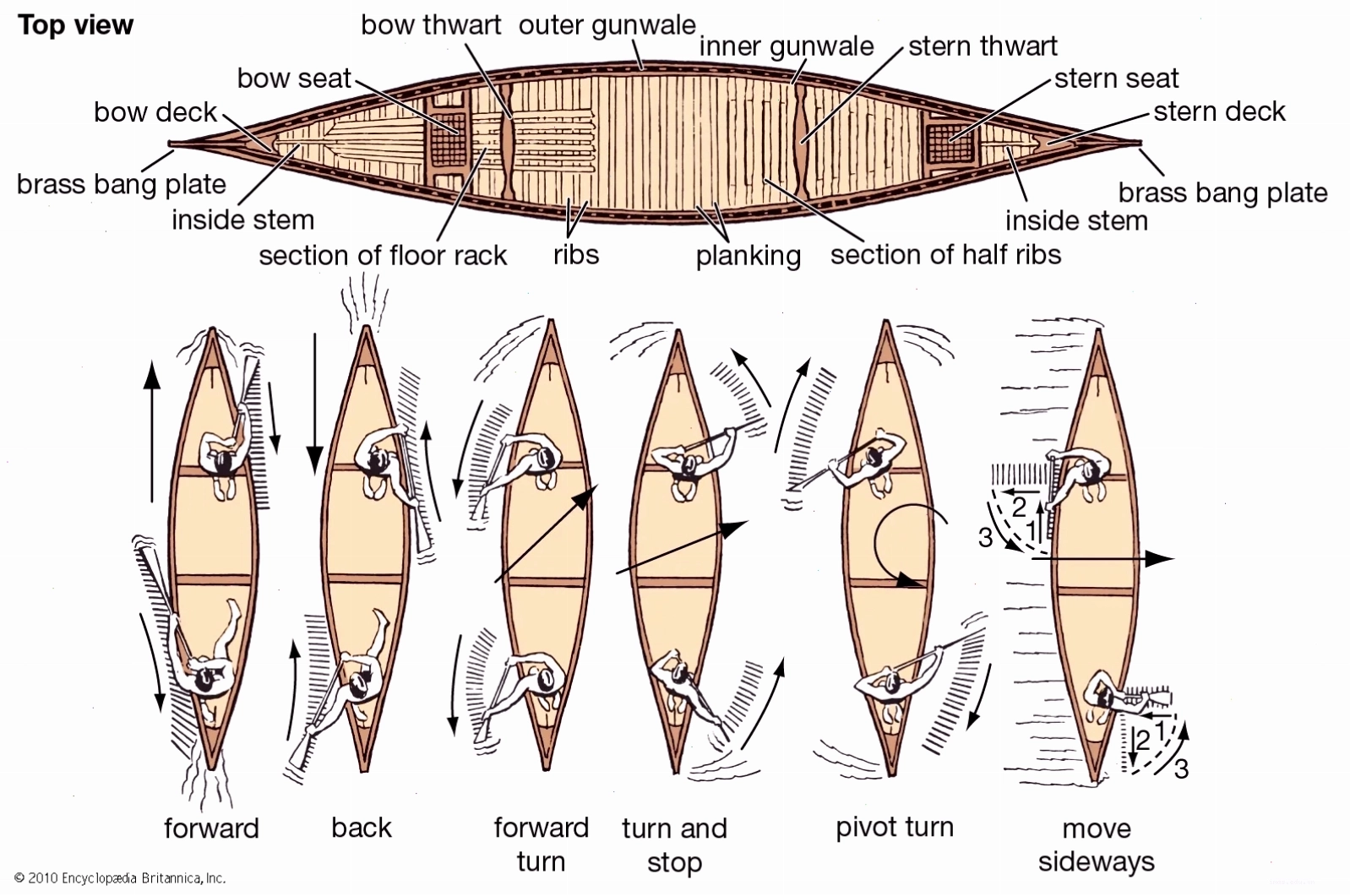
The essence of what is canoeing lies in its propulsion method. Unlike kayaking, which uses a double-bladed paddle, canoeing employs a single-bladed paddle. This requires a specific paddling technique. In a typical two-person canoe, one person at the front provides the primary 'thrust' through paddling, while the person at the back handles the 'direction' through steering. However, canoes are versatile and can be expertly maneuvered by a single paddler as well.
Versatility of Canoes: From Flat Water to White Water Adventures
Canoes are remarkably versatile craft, capable of navigating various water conditions. They can be paddled on calm, flat water bodies like lakes and slow-moving rivers, offering a peaceful way to explore nature. Equally, with the appropriate safety gear and skills, canoes can tackle challenging white water rapids. This adaptability allows for diverse experiences, from leisurely touring to adrenaline-pumping whitewater expeditions.
The lightweight nature of many canoes also facilitates easier transport around obstacles. They can be 'lined' down rapids using a rope or 'portaged' (carried) around them entirely. This historical capability made canoes invaluable for wilderness transport, allowing people to cover significant distances with substantial loads of supplies, far more efficiently than by foot.
A Brief History and Etymology of the Word 'Canoe'
The word 'canoe' has a rich history, adopted into numerous languages, including Arabic, Turkish, and Greek. The Finnish equivalent is 'kanootti'. Evidence suggests the earliest documented use of the word dates back to 1708. The enduring use of canoes for transport and exploration speaks to their fundamental design efficiency and adaptability across different cultures and environments.
Canoeing vs. Kayaking: Understanding the Differences
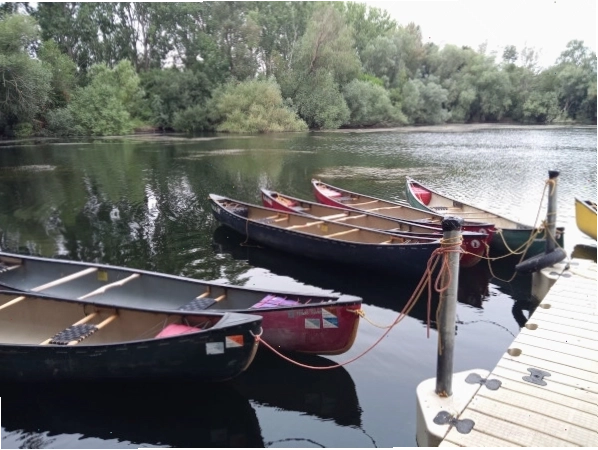
While often grouped together as paddlesports, there are distinct differences between what is canoeing and kayaking. The primary distinction lies in the boat design and paddling technique. Kayaks typically have a covered deck and the paddler sits with their legs extended forward, using a double-bladed paddle. Canoes, conversely, are usually open-topped, and paddlers kneel or sit on raised seats, using a single-bladed paddle. This difference in equipment influences the paddling stroke and the type of water each is best suited for.
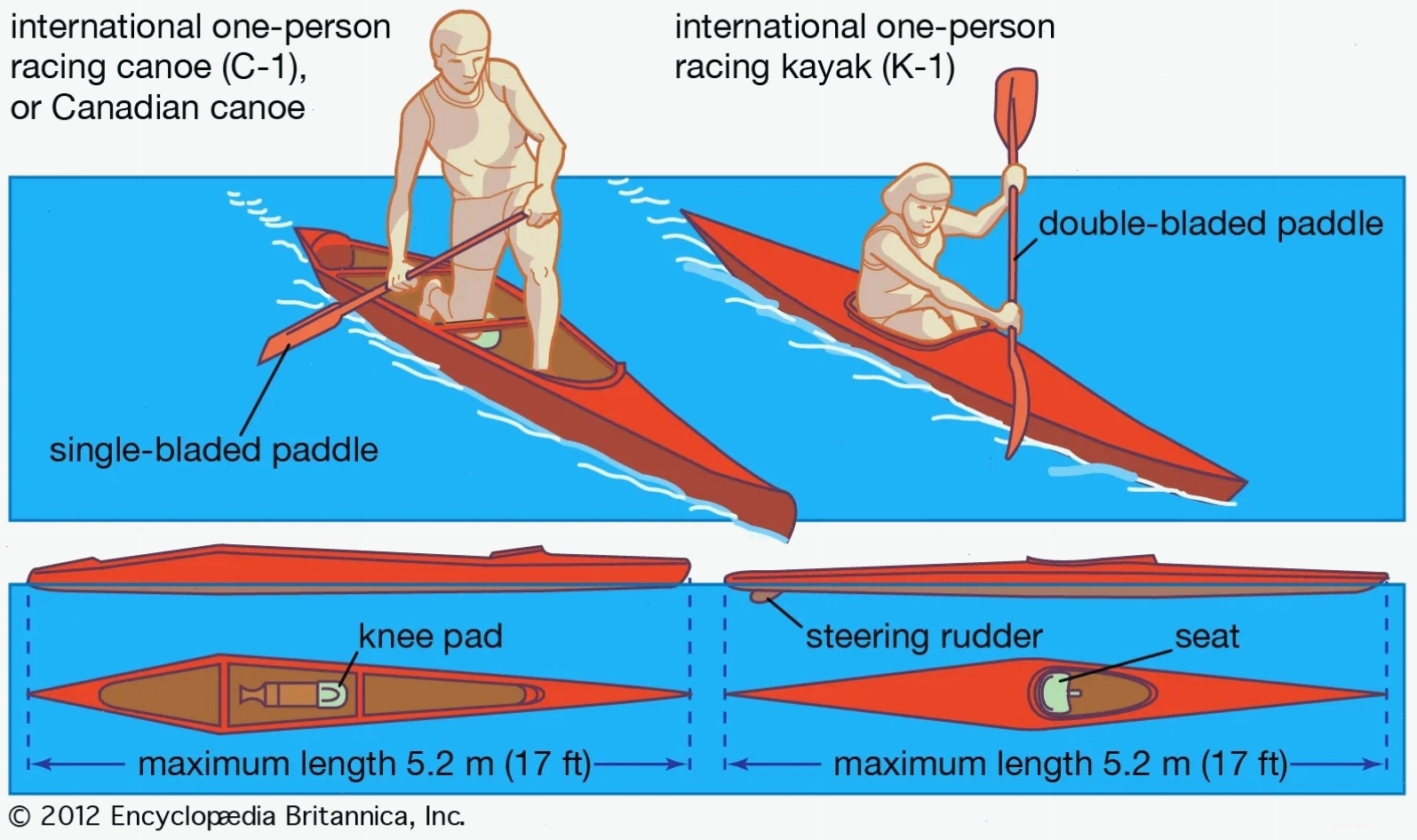
Canoeing as a Sport and Olympic Discipline
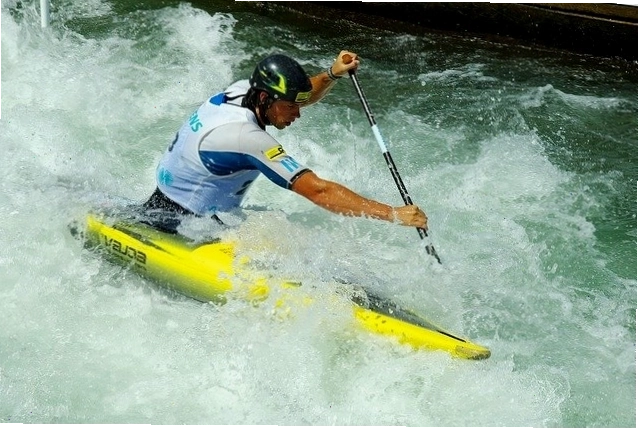
Canoeing has a long and distinguished history as a competitive sport. It was introduced as an Olympic sport in 1936. Olympic canoeing events typically feature specialized racing canoes, often referred to as C1 (single-seat) and C2 (double-seat) canoes. The most dynamic and visually exciting Olympic discipline is canoe slalom, where athletes navigate a challenging white water course, weaving through gates while contending with turbulent currents.
Beyond the Olympics, canoeing competitions include various formats such as sprint racing (getting from start to finish as quickly as possible) and different variations of slalom. The design of racing canoes often prioritizes speed and maneuverability, with narrower boats traveling faster across the water and demanding a high degree of balance and skill from the paddler.
Essential Equipment for Canoeing
To enjoy the sport safely and effectively, certain equipment is essential:
- Canoe: The boat itself, chosen based on intended use (recreation, touring, racing).
- Paddle: A single-bladed paddle, sized appropriately for the paddler and canoe.
- Personal Flotation Device (PFD): A life jacket is crucial for safety on the water.
- Clothing: Appropriate attire for the weather conditions, including waterproofs if necessary.
- Safety Gear: Depending on the type of canoeing, this may include a helmet, throw bag, and bilge pump.
Recreational and Expedition Canoeing
Canoeing offers incredible opportunities for recreation and exploration. It's an excellent way to experience the great outdoors, offering unique perspectives from the water. With careful planning, canoes can be outfitted with camping equipment, enabling multi-day expeditions into remote wilderness areas. This allows paddlers to cover significant distances in comfort, making trips more enjoyable and motivating.
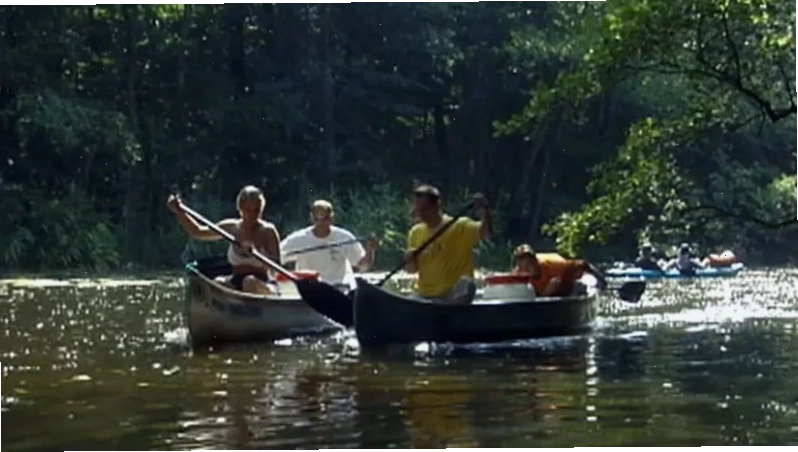
Canoes provide stable platforms ideal for activities like fishing or photography. The ability to quietly approach wildlife and explore sheltered coves adds to the appeal of recreational canoeing.
Safety Considerations in Canoeing
While canoeing is generally safe, especially on calm waters, safety must always be a priority. Understanding how to handle a capsized canoe is vital. If a canoe capsizes, especially on larger bodies of water, it can fill with water. With two people, it's often possible to empty the canoe, right it, and re-enter it – a skill known as 'self-rescue'. Learning these essential safety procedures is key for anyone serious about canoeing.
Embarking on Your Canoeing Journey
Whether you are drawn to the tranquility of a glassy lake, the challenge of white water, or the adventure of an extended expedition, canoeing offers a rewarding experience. It's an activity that can bring families together, provide a connection with nature, and offer a unique way to see the world. So, consider giving canoeing a try – the joy and adventure it offers are well worth the effort.
Disclaimer: Paddlesports can involve inherent risks. Always prioritize safety, ensure you have the appropriate training and equipment, and be aware of water conditions. Please consult our safety disclaimer for more detailed information.



Bình luận